Object numberX.190
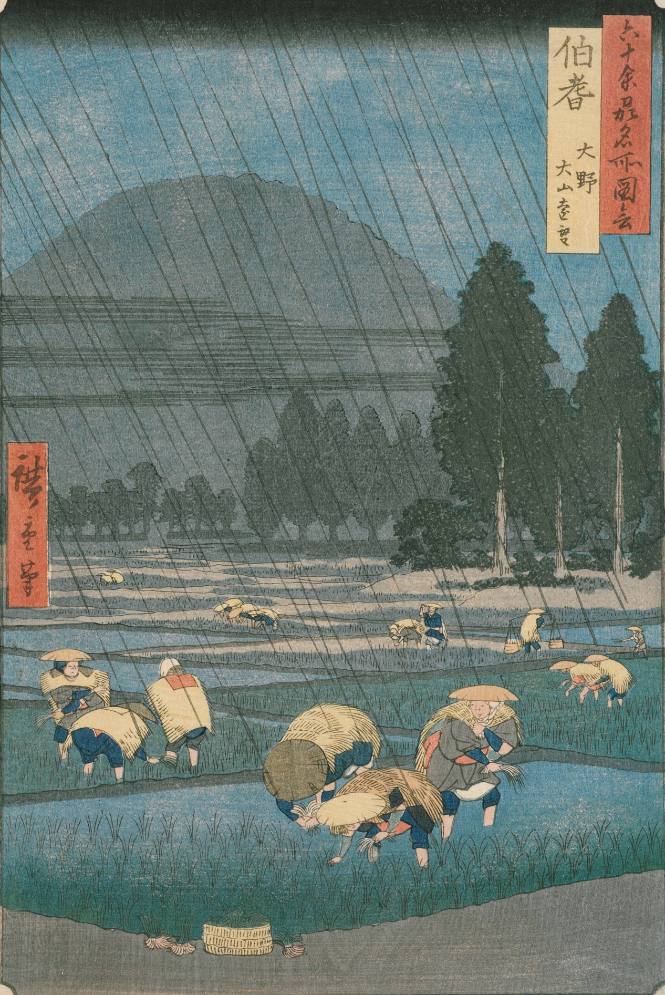
Hōki Province: Ōno, Distant View of Mount Daisen
Portfolio/Seriesfrom the series Famous Places of the Sixty-odd Provinces
Date1853
Artist
Utagawa Hiroshige (歌川 広重)
(Japanese, 1797-1858)
Publisher
Koshimuraya Heisuke (Koshihei)
(Japanese, 1843 - 1865)
Blockcutter
Yokokawa Takejirō (Hori Take)
(Japanese)
CultureJapanese
MediumWoodblock print (nishiki-e): ink and color on paper
DimensionsSheet: 14 x 9 3/4 in. (35.5 x 24.8 cm)
Image: 13 7/16 x 8 15/16 in. (34.2 x 22.7 cm)
Image: 13 7/16 x 8 15/16 in. (34.2 x 22.7 cm)
Period19th c (Edo period)
Classification(s)
SignedOn recto, center left edge, signed in block: 広重画 (Hiroshige ga)
InscribedOn recto, upper right, in block: 六十余州名所図絵 伯耆 大野 大山遠望 (Famous Places in the Sixty-odd Provinces [of Japan] ([Dai Nihon] Rokujûyoshû meisho zue); (Hōki Province: Ōno, Distant View of Mount Daisen (Hōki, Ōno, Daisen enbō)
MarkingsOn recto, upper right margin, censor's seal in block: 改 (aratame; approved)
On recto, lower left, censor's seal date in block: 丑十二 (Ox 12)
On recto, lower left, block cutter's mark in block: 彫竹 (Hori Take)
Vassar Exhibitions
Label TextOn a rainy day, hunched over figures protected by hats and straw cloaks plant rice paddies. During the Edo period, Japan experienced a shift to commercial agriculture. At the beginning of the nineteenth century, urban demand drove a rise in commercial crop production and the agrarian industry. While not prohibited from traveling, farmers were discouraged against doing so for fear that traveling farmers would neglect their fields. Tranquil scenes of rural field work like this print by Utagawa Hiroshige reinforced social structures under the Tokugawa shogunate, where farmers had high social rank due to their produce supporting the nation’s economy. In reality, peasants’ work in the fields was often exploited with high taxes that were paid in exchange of harvest yields. Absent from images such as these are riots that would occur wherever peasants felt unjustly exploited.
Object information is a work in progress and may be updated as new research findings emerge.
To help improve this record, please email
loebcollections@vassar.edu
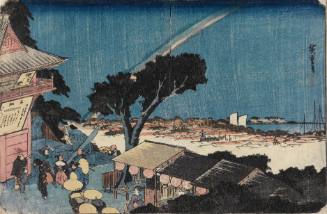
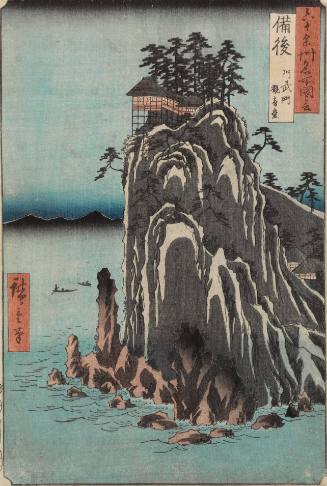
Utagawa Hiroshige (歌川 広重)
c. 1832-1838
Culture: Japanese
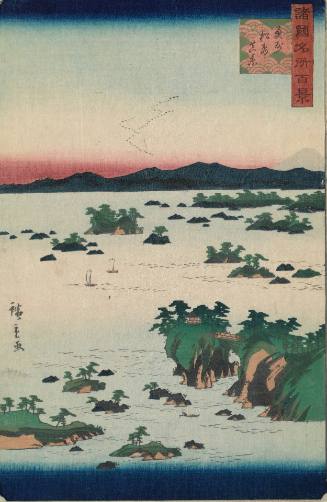
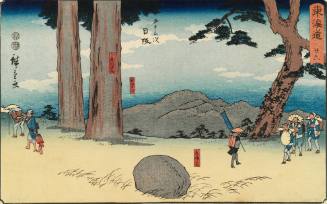
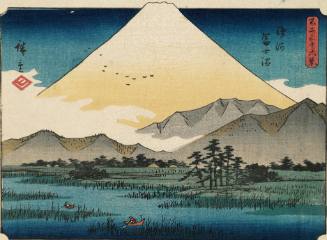
Utagawa Hiroshige (歌川 広重)
c. 1847-1852
Culture: Japanese
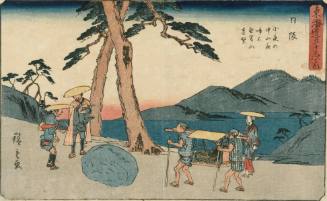
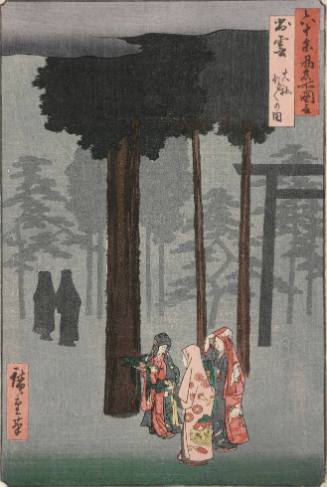
Utagawa Hiroshige (歌川 広重)
c. 1845
Culture: Japanese