
To the Divine Shades: Inscribed Epitaphs from Ancient Rome from the Permanent Collection
Saturday, January 17, 2015 - Sunday, March 1, 2015
Tombstones and other funerary monuments are the most common kind of inscribed object to survive from Roman antiquity. As is the case today, tombstones from Roman antiquity were placed at tombs not just out of a desire to commemorate and remember the dead but also as a means of marking out their social standing and place in the community of the living. Because of this, it is not surprising that many of the examples that survive come from Rome's lower and middle classes, especially ex-slaves who had become Roman citizens upon manumission but whose social status remained marginal. These were the people who most needed to claim their place in society by burying and remembering their dead in publicly visible ways. Most of the inscriptions exhibited were from freed slaves, but there were also examples of slaves, freeborn citizens, and soldiers.
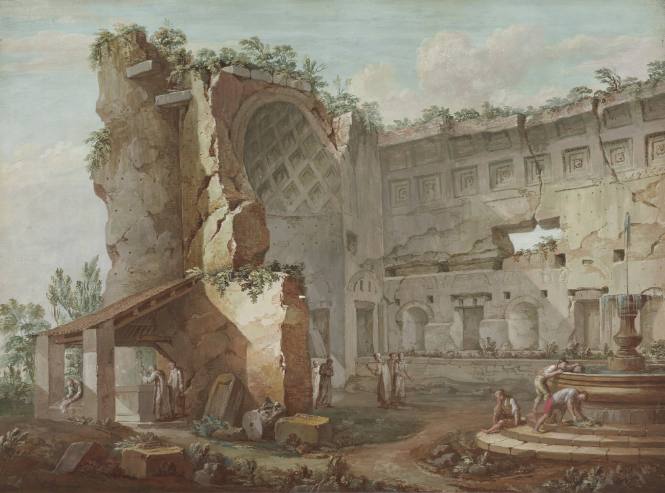
On view alongside the inscribed epitaphs were a selection of paintings, drawings and prints from the Art Center's collection depicting Roman funerary monuments and ruins. These were rich subject matter for artists working in the eighteenth and nineteenth centuries. Yet inscriptions on these monuments appear with varying degrees of accuracy, often repurposed to serve an artistic vision.
On view alongside the inscribed epitaphs were a selection of paintings, drawings and prints from the Art Center's collection depicting Roman funerary monuments and ruins. These were rich subject matter for artists working in the eighteenth and nineteenth centuries. Yet inscriptions on these monuments appear with varying degrees of accuracy, often repurposed to serve an artistic vision.
Venues
Focus Gallery