To the Divine Shades: Inscribed Epitaphs from Ancient Rome from the Permanent Collection
Exhibition Info
To the Divine Shades: Inscribed Epitaphs from Ancient Rome from the Permanent CollectionSaturday, January 17, 2015 - Sunday, March 1, 2015

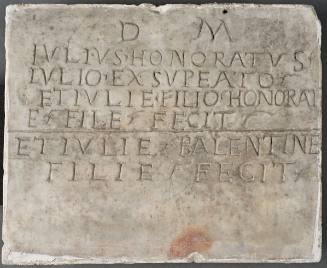
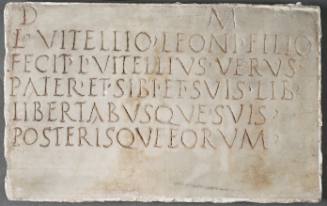
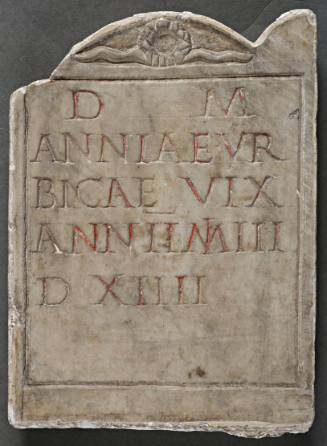
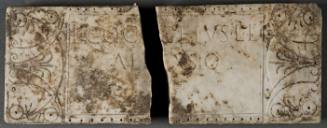
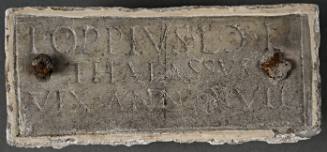
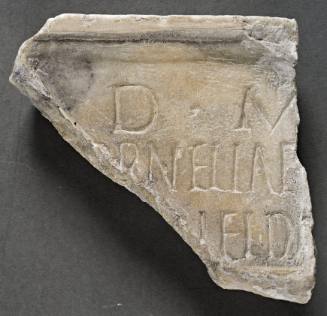
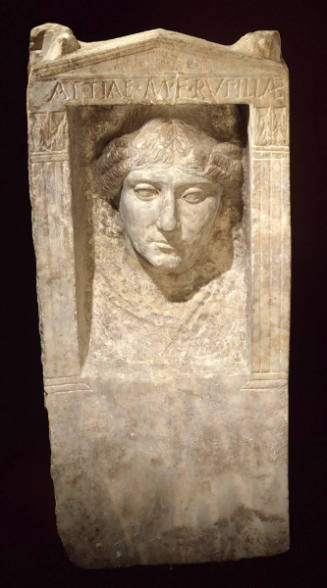
Tombstones and other funerary monuments are the most common kind of inscribed object to survive from Roman antiquity. As is the case today, tombstones from Roman antiquity were placed at tombs not just out of a desire to commemorate and remember the dead but also as a means of marking out their social standing and place in the community of the living. Because of this, it is not surprising that many of the examples that survive come from Rome's lower and middle classes, especially ex-slaves who had become Roman citizens upon manumission but whose social status remained marginal. These were the people who most needed to claim their place in society by burying and remembering their dead in publicly visible ways. Most of the inscriptions exhibited were from freed slaves, but there were also examples of slaves, freeborn citizens, and soldiers.

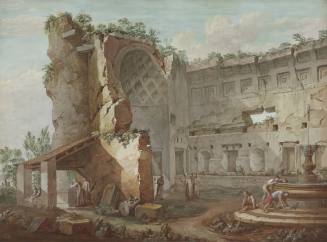
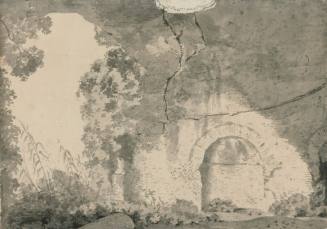
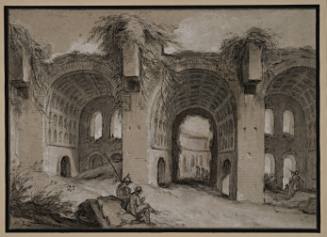
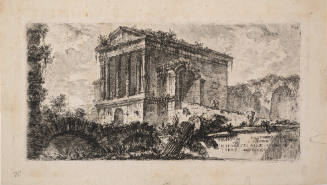
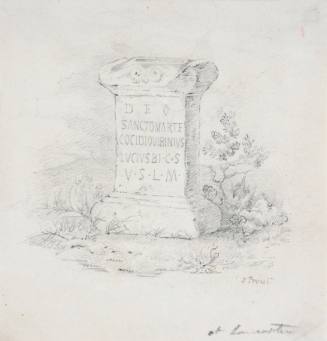
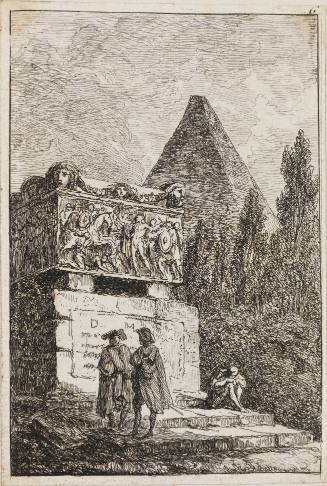
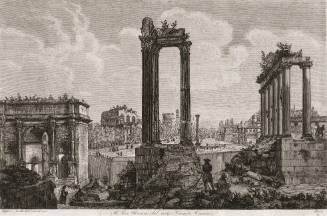
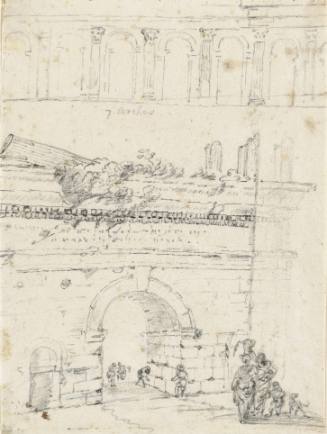
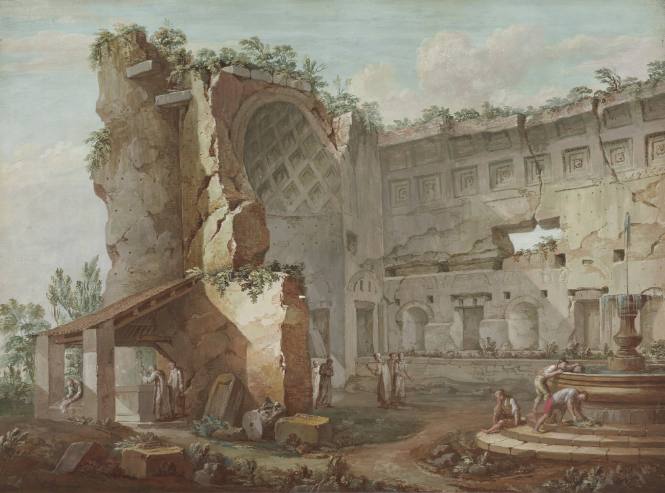
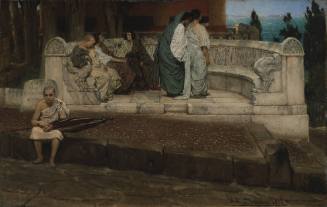
On view alongside the inscribed epitaphs were a selection of paintings, drawings and prints from the Art Center's collection depicting Roman funerary monuments and ruins. These were rich subject matter for artists working in the eighteenth and nineteenth centuries. Yet inscriptions on these monuments appear with varying degrees of accuracy, often repurposed to serve an artistic vision.
Read MoreRead Less
Sort:
/ 1
Filters
1 to 23 of 23
Funerary Relief of Attia Rufilla
Roman
Mid 1st c
Culture: Roman
An Exedra
Sir Lawrence Alma-Tadema
1869/1870
Culture: Dutch, British
Temple of Venus and Roma
Charles Louis Clérisseau
Nd
Culture: French
Entrance to a Roman Ruin
Joseph Wright of Derby
c. 1774
Culture: British
Plaque from a family tomb erected by Julius Honoratus for his son and daughters
Classical (Ancient European: Roman)
2nd-3rd c
Culture: Roman
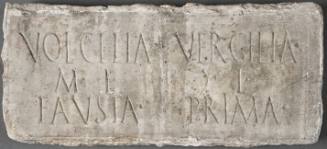
Columbarium plaque for two freedwomen, Volcelia Fausta and Vergilia Prima
Classical (Ancient European: Roman)
1st - 2nd c
Culture: Roman
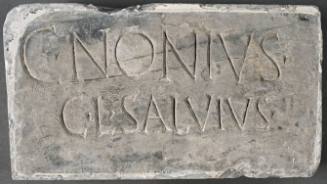
Columbarium plaque for the freedman Gaius Nonius Salvius
Classical (Ancient European: Roman)
1st - 3rd c
Culture: Roman
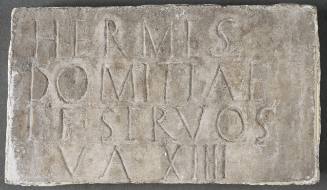
Columbarium plaque for Hermes slave of Domitia
Classical (Ancient European: Roman)
1st c BC - 3rd c CE
Culture: Roman
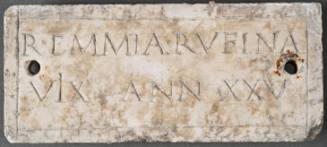
Columbarium plaque for Remmia Rufina
Classical (Ancient European: Roman)
1st c BCE - 3rd c CE
Culture: Roman
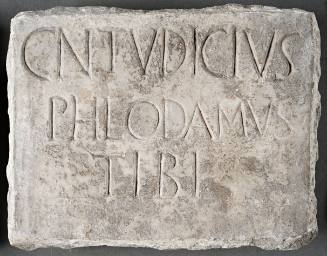
Columbarium plaque for Gnaeus Tudicius Philodamus
Classical (Ancient European: Roman)
1st - 3rd c
Culture: Roman
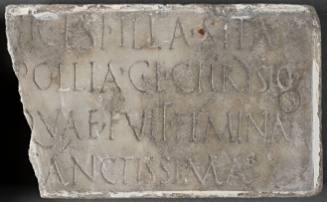
Plaque from the tomb of Pollia Chrysio
Classical (Ancient European: Roman)
1st c BCE- 1st c CE
Culture: Roman
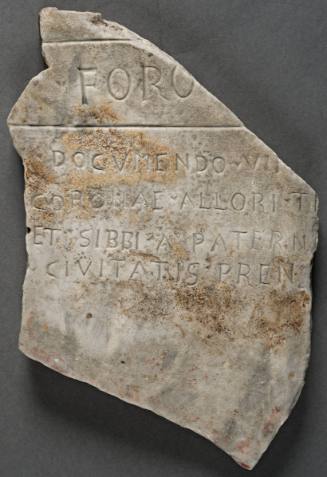
Fragment of an inscription related to a  soldier
Classical (Ancient European: Roman)
Culture: Roman
Plaque from the tomb of Annia Urbica
Classical (Ancient European: Roman)
1st-3rd c
Culture: Roman
Columbarium plaque for Lucius Cocceius Alexsio
Classical (Ancient European: Roman)
1st-3rd c
Culture: Roman
Columbarium plaque for Lucius Oppius Thallasus
Classical (Ancient European: Roman)
1st - 2nd c
Culture: Roman
Fragmentary plaque from the tomb of a Cornelia
Classical (Ancient European: Roman)
1st - 3rd c
Culture: Roman
Roman Tombstone - at Lancaster
Samuel Prout
Nd
Culture: English
Untitled (Les Soirées de Rome)
Hubert Robert
1764
Culture: French
Il Foro Romano dal volgo Campo Vaccino
Luigi Rossini
Nd
Culture: Italian
Sketch of Roman Arches and Gateway
Richard Wilson
Nd
Culture: English
/ 1