Copies, Casts, and Pedagogy: The Early Teaching of Art and Art History at Vassar College
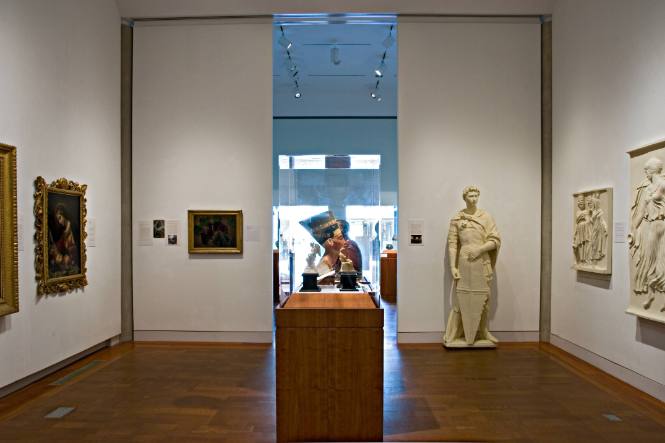
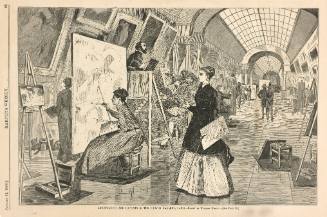
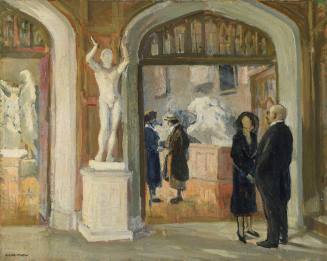
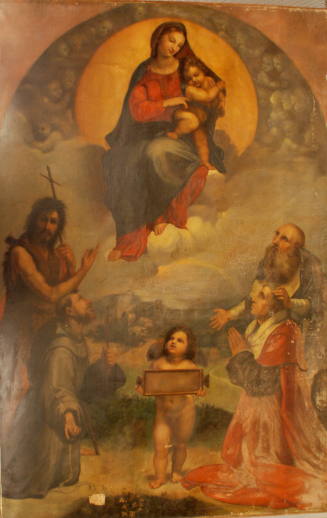
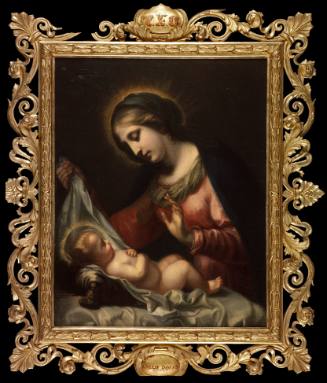
During the late nineteenth and early twentieth centuries, painted copies and plaster casts were used to cultivate an appreciation of major works of western art, as well as a corresponding sense of elite culture to Americans who could not travel to see the original works firsthand. In this era, sometimes dubbed the American Renaissance, many art academies, colleges, and museums held extensive collections of copies and casts, and their popularity helped develop the canon of western art as we know it today.
To explore this revealing chapter in art instruction, Jacqueline Marie Musacchio, an associated professor of art and a specialist in Italian Renaissance art, curated this exhibition. The exhibition featured a variety of related works, two plaster reliefs, two plaster statuettes, and two plaster busts, as well as documents and archival photographs. The exhibition was further examined in a brochure by the curator.
This exhibition was sponsored by the Frances Lehman Loeb Art Center and the Robert Lehman Foundation. Research for the exhibition was conducted with grants from the Dean Fund of Vassar College, the Mellon Foundation, and the Ford Foundation. The conservation of the paintings, frames, and plaster casts in the exhibition was made possible by the Robert Lehman Foundation. There are works that appeared in this exhibition that were loans to the Loeb and therefore do not appear on this website.