Urban Sublime: Recent Acquisitions of Photography at the Loeb
In the 1920s and 1930s, many avant-garde artists believed that photography could change the way we see the world— that it gives us “new vision.” This belief was fueled by a fascination with technology that continues in the twenty-first century. Photographers like László Moholy-Nagy and Aleksandr Rodchenko photographed from extreme, inhuman angles, using hand-held cameras to make images from bird’s-eye or worm’s-eye views. They embraced photography not only for its speed and portability, but also because it was made with a machine— the camera. Urban architecture and machinery became popular subjects of photography in the twentieth century, pictured as symbols of modernity, progress, and innovation.
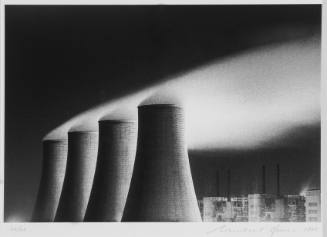
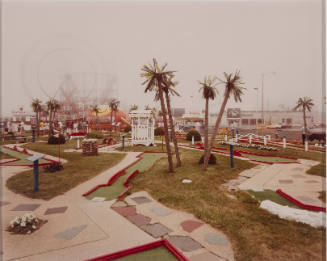
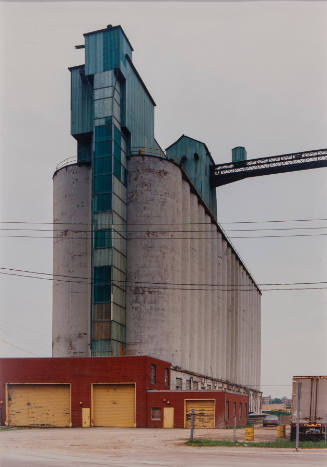
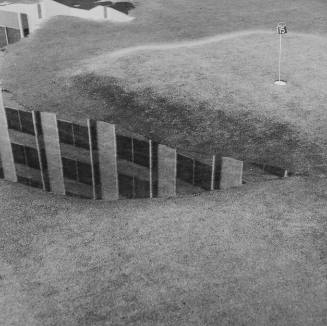
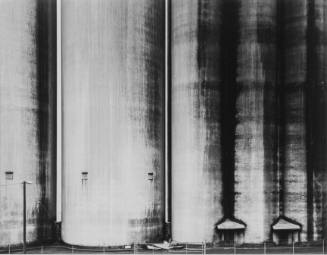
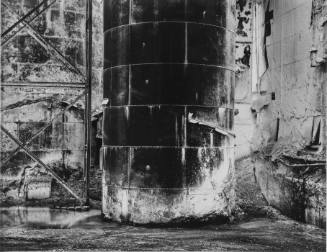
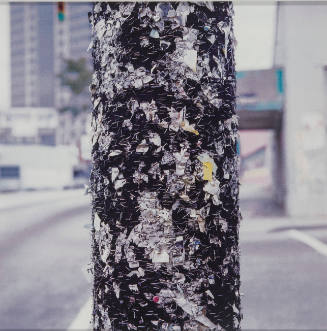
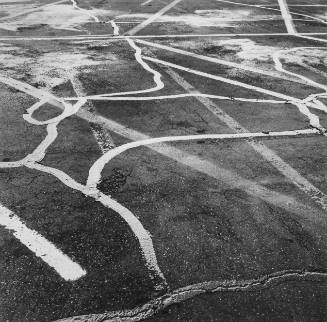
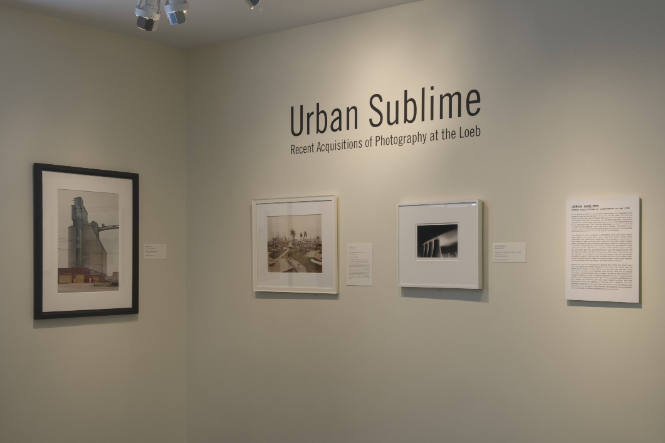
This exhibition of recent acquisitions of photography at the Loeb brought together works which suggest the legacy of “new vision” photography in the context of the climate crisis. The photographers represented share a sense of awe in picturing urban construction and modern industry. Oblique angles popularized by their avant-garde predecessors evoke the towering grandeur of machines, exaggerating the sense of being consumed by and engulfed in urban construction that one often feels in a city. They create beautiful images of parking lots, golf courses, grain silos, and telephone poles. They even idealize the hazy skies that today are constant reminders in many places of the urgency of climate change. Like eighteenth- and nineteenth-century Romantic painters, their work can be aptly described as “sublime”: relishing in both the beauty and terror of their subject matter. Ironically, while Romanticism evoked the sublime qualities of nature, much twentieth-century photography finds the sublime in the human-made environment.
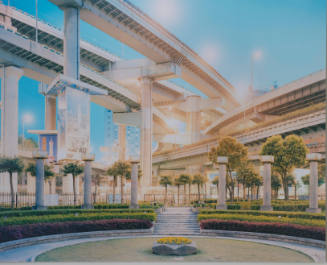
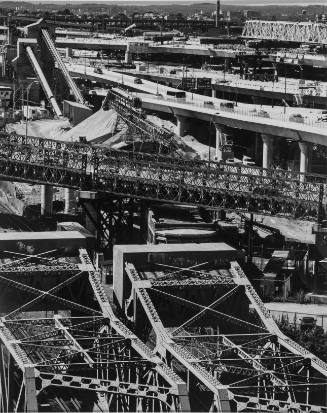
What are the costs and consequences of idealizing how humans have tamed, paved over, and urbanized the natural landscape? In the throes of the climate crisis, the impact of these images is notably different than when they were first made. Today they read as reminders of the existential threat we face, rather than as uncritical venerations of the tools humans used to create it. Yet many of these photographers evoked the sublime not simply to celebrate urbanization but also to suggest troubled alienation in the modern world. Gerrit Engel and Harry Callahan’s photographs of a grain elevator and telephone pole each evoke idealized portraits, and Peter Bialobrzeski pictures the highways of Shanghai like a gleaming monument. Meanwhile, photographs by Nicholas Nixon, Arne Svenson, and Joe Maloney evoke disorientation, loss, and satire. Equally alienated and compelling, these photographs picture our infinitely complicated relationship to what we have built.
This exhibition was generously supported by the Hoene Hoy Photography Fund.