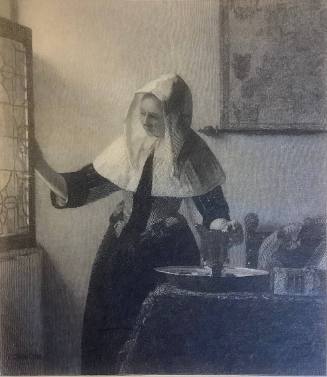
Master Class: Northern European Art 1500-1700 from the Permanent Collection
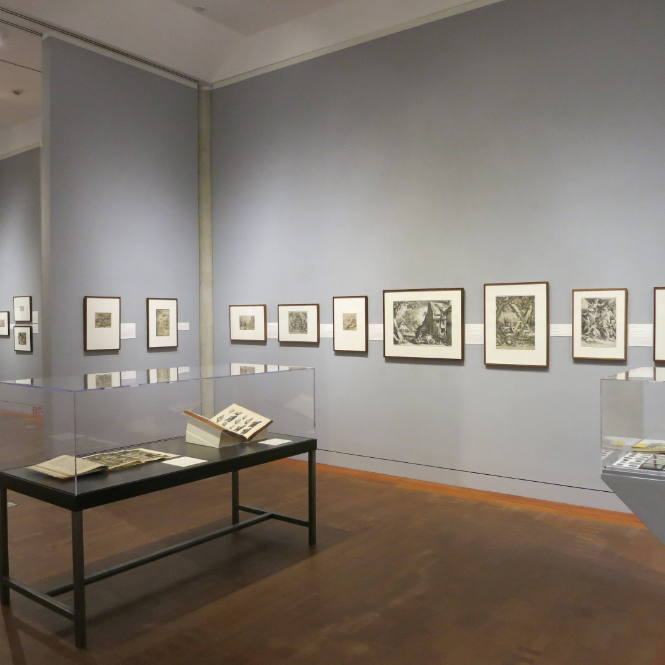
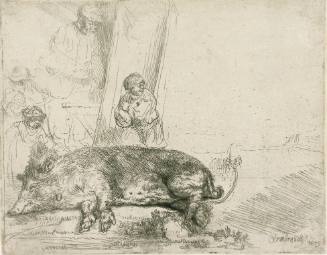
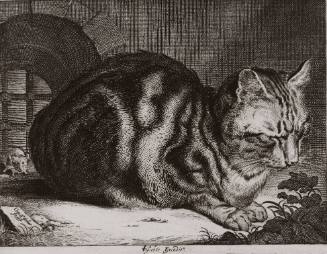
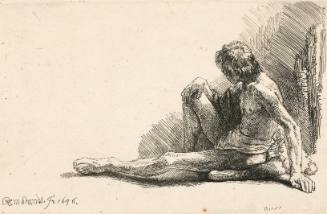
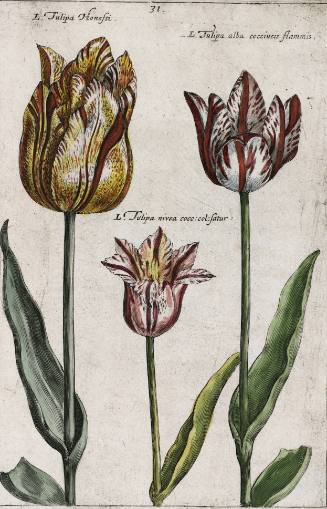
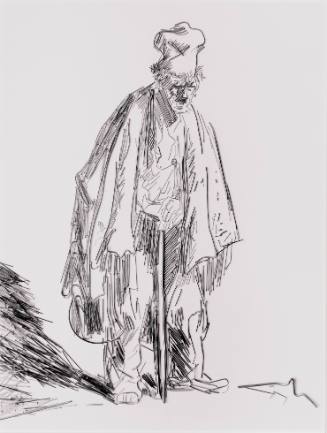
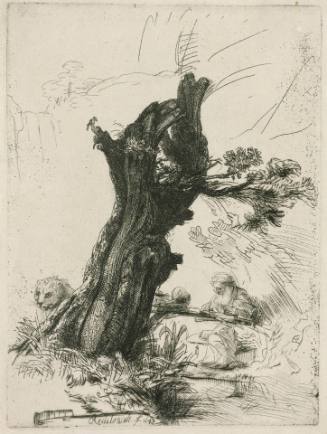
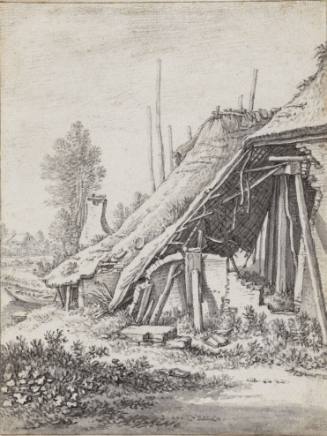
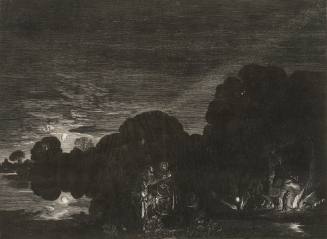
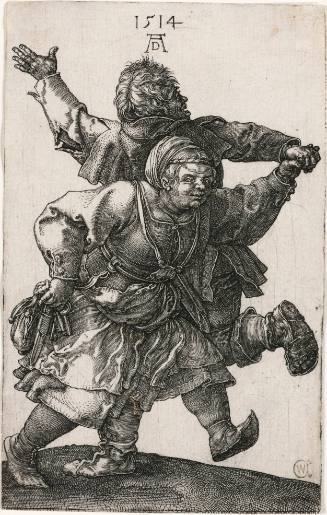
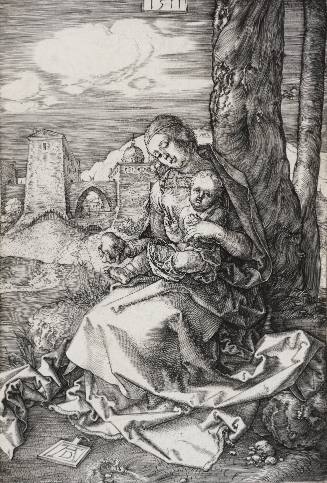
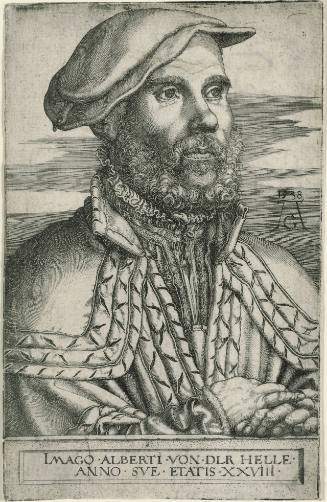
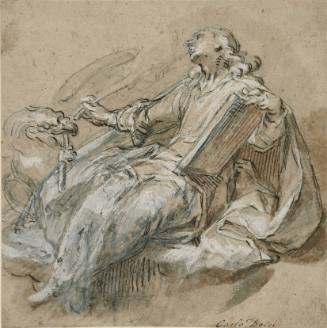
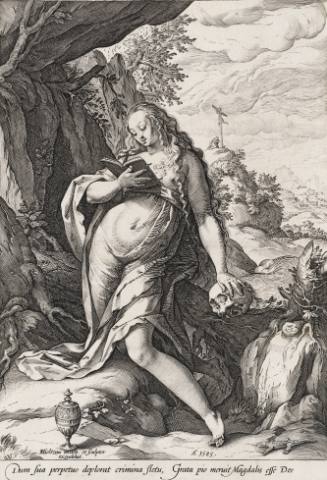
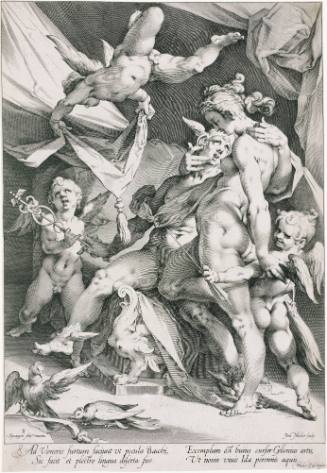
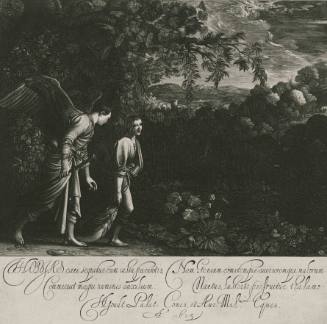
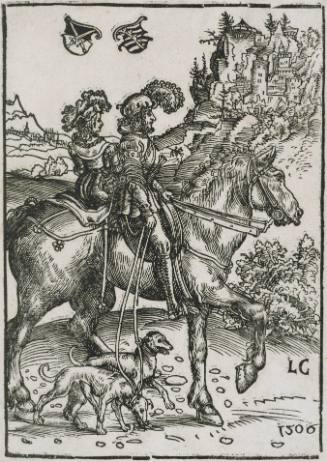
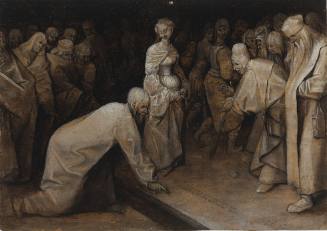
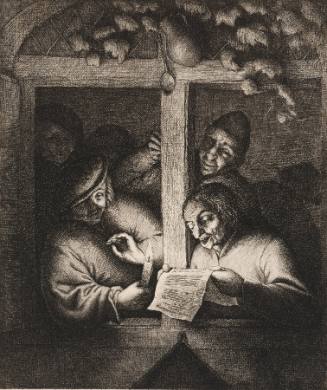
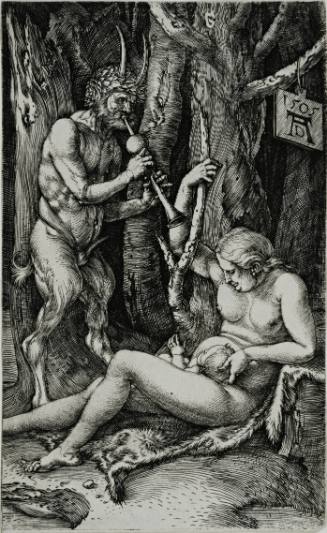
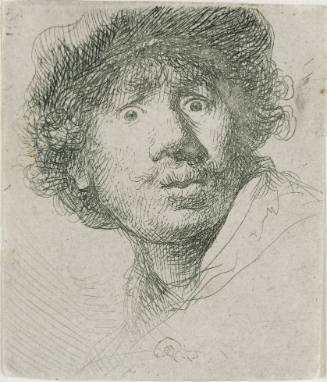
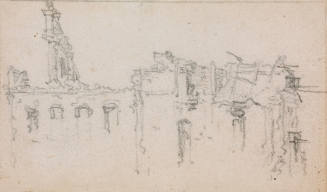
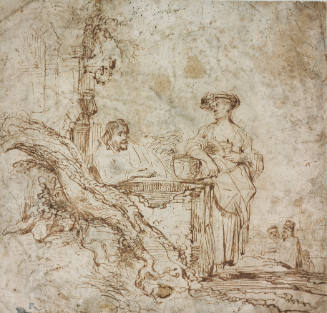
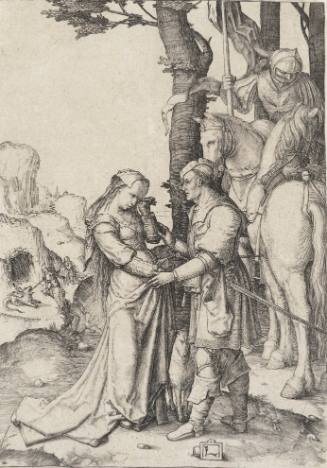
Since Vassar's founding, Northern European art from the 1500s and 1600s has been a vital part of the college's collection. Over time, this subject also became a key component of the curriculum. These parallel traditions intersect often, resulting in the longstanding practice of using original works in teaching German, Dutch, and Flemish art. While reproductions - whether black and white photographs, lanter and 35mm slides, or digital images - have served an important role in teaching art history at Vassar, firsthand contact with art objects provides a singular opportunity for students. Such experiences offer tangible links to the artists themselves, while also illuminating aspects of artistic process and technique.
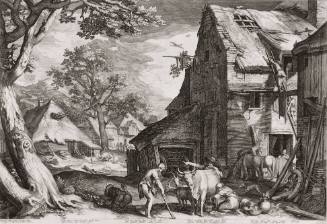
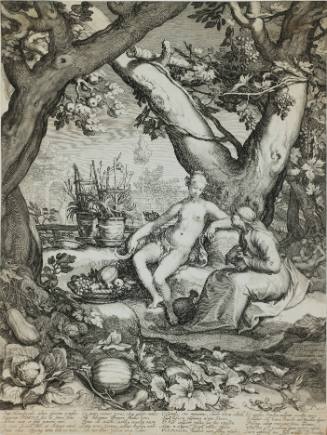
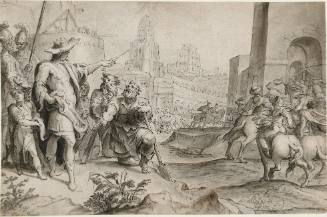
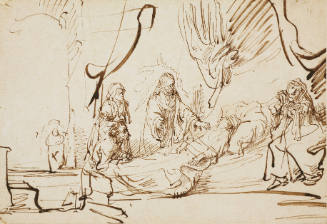
The prints, drawings, and handful of paintings in this exhibition were organized loosely by their date of acquisition. This display revealed the chronology of their entry into Vassar's collection, one that in many instances responds to Northern European art instruction on campus. Seen as a whole, this group also traces broader changes in attitude in the United States toward sixteenth- and seventeenth-century Northern European art. These shifts occurred as the academic discipline of art history, the collecting of such works, and museum practice developed from the nineteenth century to the present day.
This exhibition has been organized in honor of Susan Donahue Kuretsky, Vassar class of 1963 and Professor of Art on the Sarah Gibson Blanding Chair.
The exhibition was organized in honor of the 43-year-long teaching career of Susan Karetsky, Professor of Art on the Sarah Gibson Blanding Chair. Support for the exhibition was provided by the Smart Family Foundation.