Haunting Legacies: Photography and the Invisible
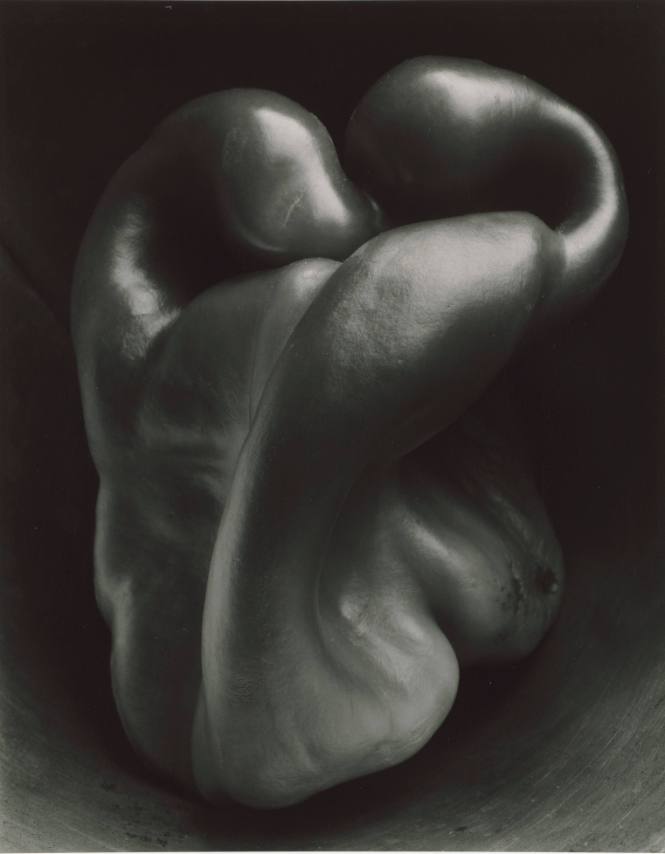
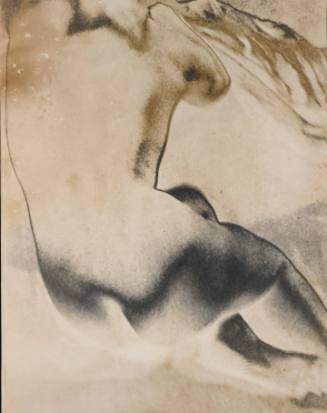
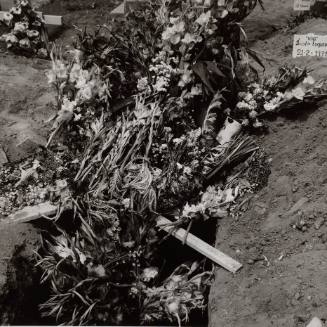
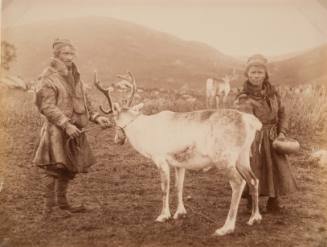
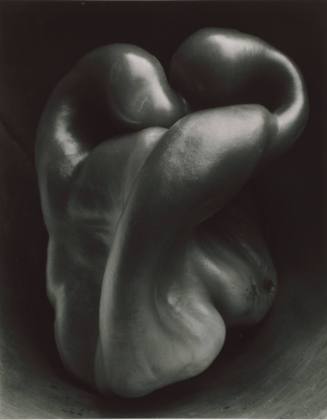
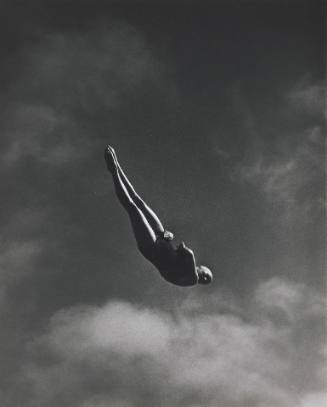
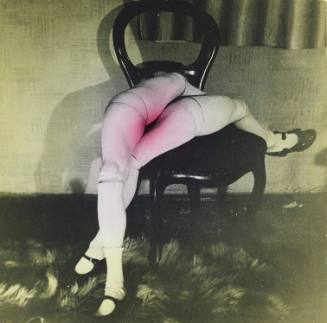
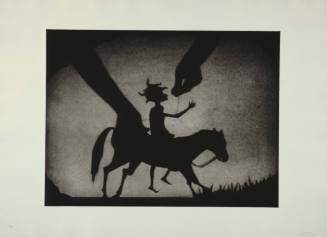
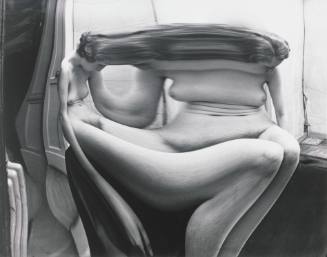
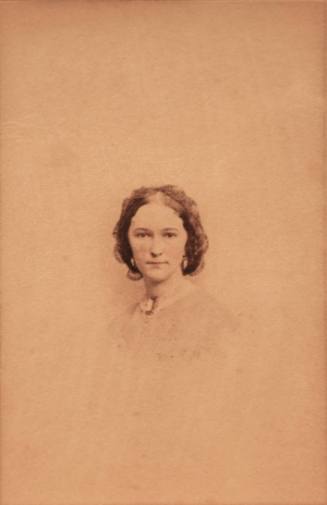
This exhibition was one class's exploration of photography's unique ability to point to the flow of normal life and the way in which it invisibly regulates whatever is being represented. The six pairs of photographs that constituted the exhibition sought to unearth the norms that establish sexual and racial difference in hegemonic allocations of visibility: what makes up the recognizably human, who is and is not publicly grievable, and finally, which lives are worth being recorded in collective memory.
While firmly rooted in the past, the photographic frame is the elusive testimony of a moment, presented to us in isolation, but that never existed as such. The experience of taking photographs, viewing photographs, and even being photographed opens a splintered temporality, because the click of each shot belongs simultaneously to yesterday, today, and tomorrow. All photographs have for this reason the spectral quality of disjointing time. In its curatorial role, this group of students has taken upon itself to offer hospitality to some of the specters that haunt our campus today. These are the tacit premises that, in their being taken for granted, exist unnoticed while fundamentally framing the ways in which we think. As Roland Barthes said, "to see a photograph well, it is best to look away or to close your eyes."
This exhibition was curated by Philosophy 240: Philosophy of Art and Aesthetics, taught by Professor Giovanna Borradori.

![[Woman on cell phone watches fire]](/internal/media/dispatcher/29410/thumbnail)
![[Handwritten sign from Firegirl]](/internal/media/dispatcher/41933/thumbnail)