Work and Workers in America 1900-40
This exhibition accompanies Professor and Dean of the Faculty Nancy Dye's seminar "Work and Workers in America: Explorations in Modern U.S. Labor History" (HIST 381). The seminar itself focuses on the development of an industrial labor class in American society from the 1870's through the 193(Ys, and the ways in which gender, race and ethnicity affected the experiences of the American workforce. The exhibition, however, takes a slightly more narrow point of view. These works, drawn from the gallery's permanent collection, explore work and workers in the context of the American urban landscape from 1900 through the 1940's.
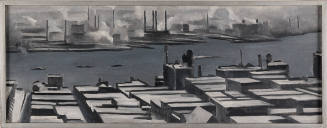
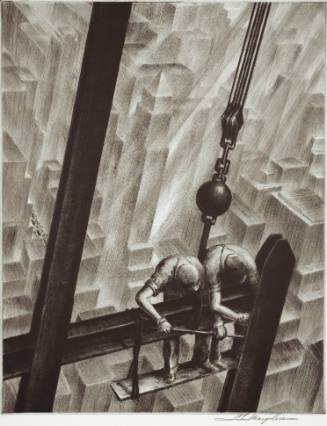
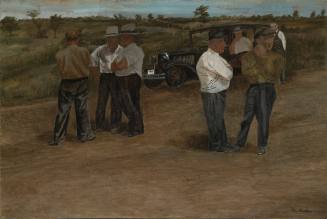
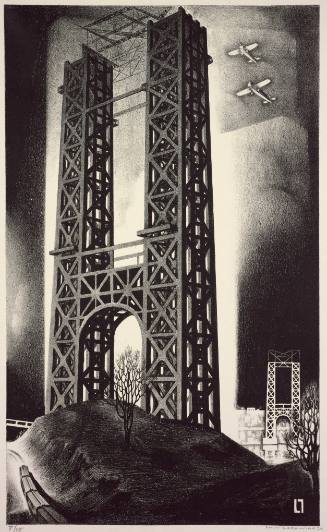
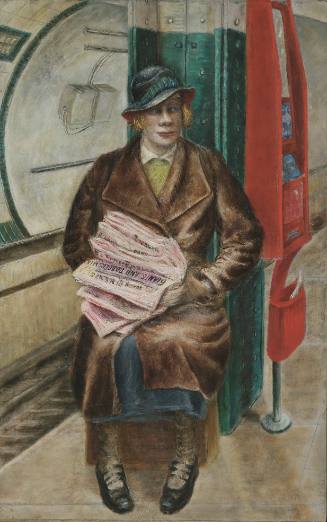
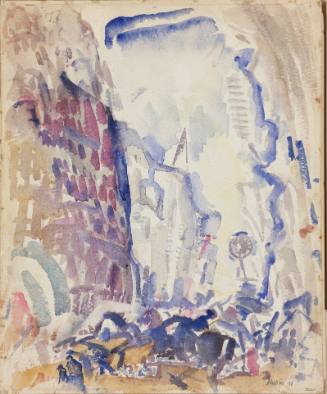
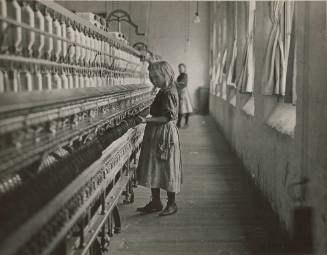
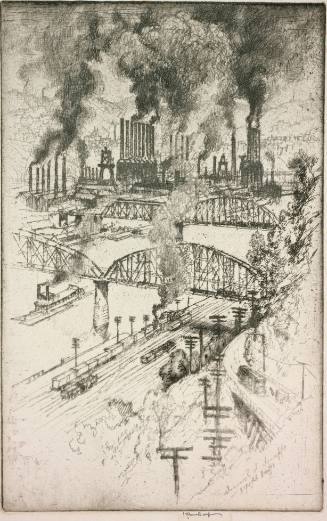
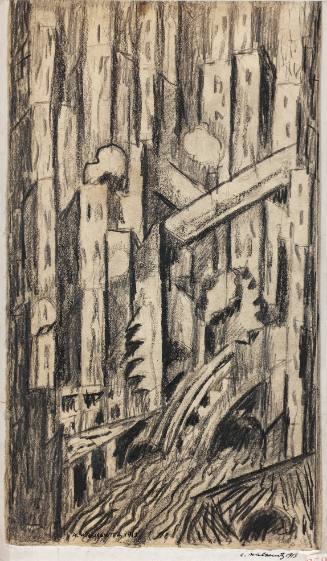
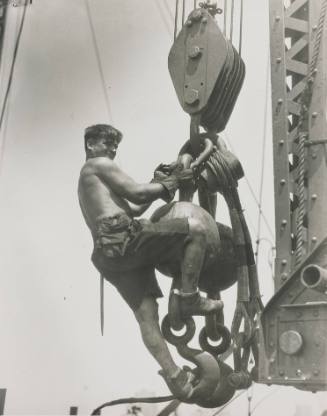
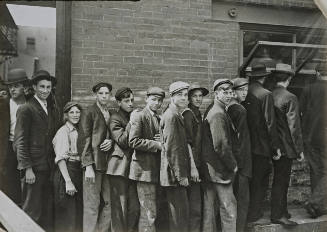
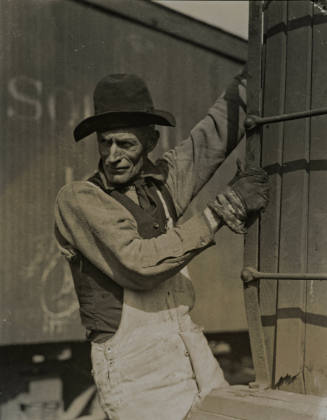
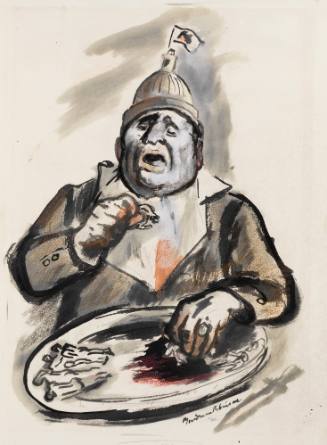
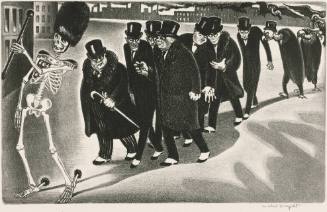
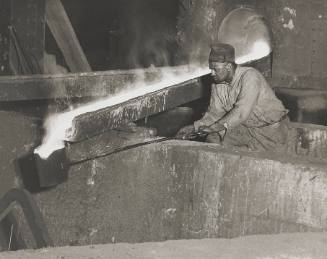
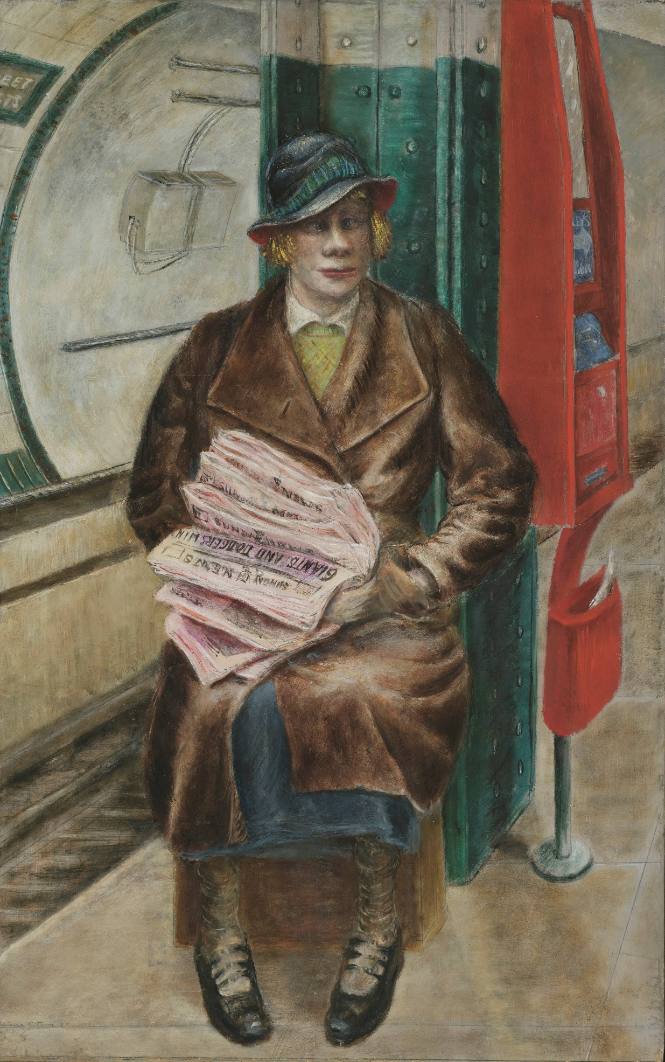
As an investigation of those three factors—American workers, their work and the urban environment—the exhibition can be drawn into roughly four categories. The first, represented by the photographs of Lewis Hine and Margolies' fine etching, examines the worker and his work. Hine's photographs of children laboring in factories are documents used in the work of the Child Labor Committee. His later photographs, and Margolies' print, examine relationships between the worker and the machine, asking where the balance of power lies in a machine age. In its second theme, the exhibition looks more closely at the urban environment of the machine age. Works such as Joseph Pennel's gritty etching of the Pittsburgh valley industrial complex contrast with the fast-paced modernity of John Marin's New York. Linking these differing images of the urban industrial complex is Georgia O'Keefe's view of the East River from the Shelton Hotel. The aesthetic, social, and political concerns of O'Keeffe's image underline the grimly beautiful urban landscape as the workplace for modem American laborers and artists alike. The worker and the labor environment form the third category of the exhibition. Ben Shahn's two paintings explore workers and their environment in light of the strife of the labor movement and the Great Depression. Minna Citron's painting is a sadly ironic commentary on the worker in urban America, moving subtly toward outright satire. Darkly humorous satire of American politics is the subject of the final group of works in the exhibition. It is vigorously taken up in Boardman Robinson's Goya-like drawing and Mabel Dwight's danse macabre, in which these artists begin to ridicule the state of affairs in America as the product of the American system of government itself and its economic policies.
"Work and Workers in America" is not merely about American artists who depicted scenes of workers in the urban environment. It is also about the fact that these artists were themselves members of the American workforce, who worked to capture the excitement, despair, and pace of life around them in a way that related to their own experiences and to those of their fellow workers as well.